Non-governmental organizations (NGOs) play a vital role in community development by addressing social, economic, and environmental challenges. In countries like Pakistan, where many communities lack access to essential services, NGOs act as a bridge between people and the resources they need to improve their lives.
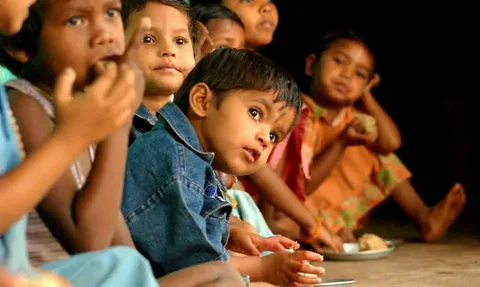
One of the primary functions of NGOs is to provide support in areas such as education, healthcare, and poverty alleviation. Many underserved communities do not have access to schools, medical facilities, or financial resources. NGOs step in to fill these gaps by implementing programs that address these critical needs.
Mazboot Hath Foundation is dedicated to improving community development through its various initiatives. By providing educational support, organizing medical camps, and offering financial assistance, the foundation helps individuals and families overcome challenges and build better futures.
In addition to providing direct support, NGOs also play an important role in raising awareness about social issues. Through campaigns and outreach programs, they educate communities about the importance of education, health, and social responsibility. This helps create informed and empowered communities that can actively participate in their own development.
Sustainability is another key aspect of NGO work. Rather than relying solely on short-term aid, NGOs focus on long-term solutions that promote self-reliance. Skill development programs, vocational training, and community empowerment initiatives enable individuals to improve their economic conditions and reduce dependency on aid.
Collaboration is essential for the success of community development programs. NGOs often work with local communities, government agencies, and international organizations to maximize their impact. This ensures that resources are used effectively and that programs are tailored to meet the specific needs of the community.
In conclusion, NGOs play a crucial role in building stronger and more resilient societies. Through their efforts in education, healthcare, and poverty reduction, they contribute to sustainable development and improved quality of life. With continued support and collaboration, NGOs can create lasting change and empower communities to achieve long-term success.